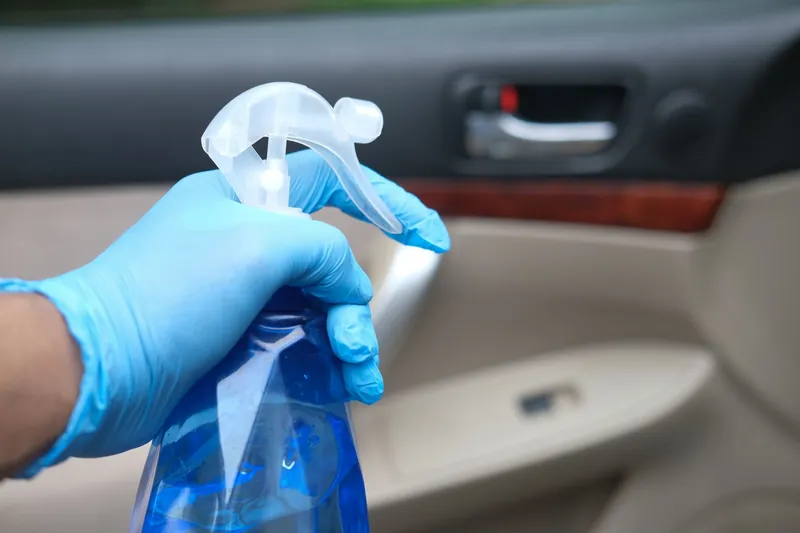
Police and Ambulance Vehicle Decontamination
Emergency vehicle decontamination covers transport units, police cars and ambulances.
See police and ambulance vehicle decontaminationGet blood, bodily fluids, waste and odor removed from a car, truck, RV or boat in Henryville. Vehicle biohazard remediation reaches hidden contamination in seats, carpet, trim and the air system.
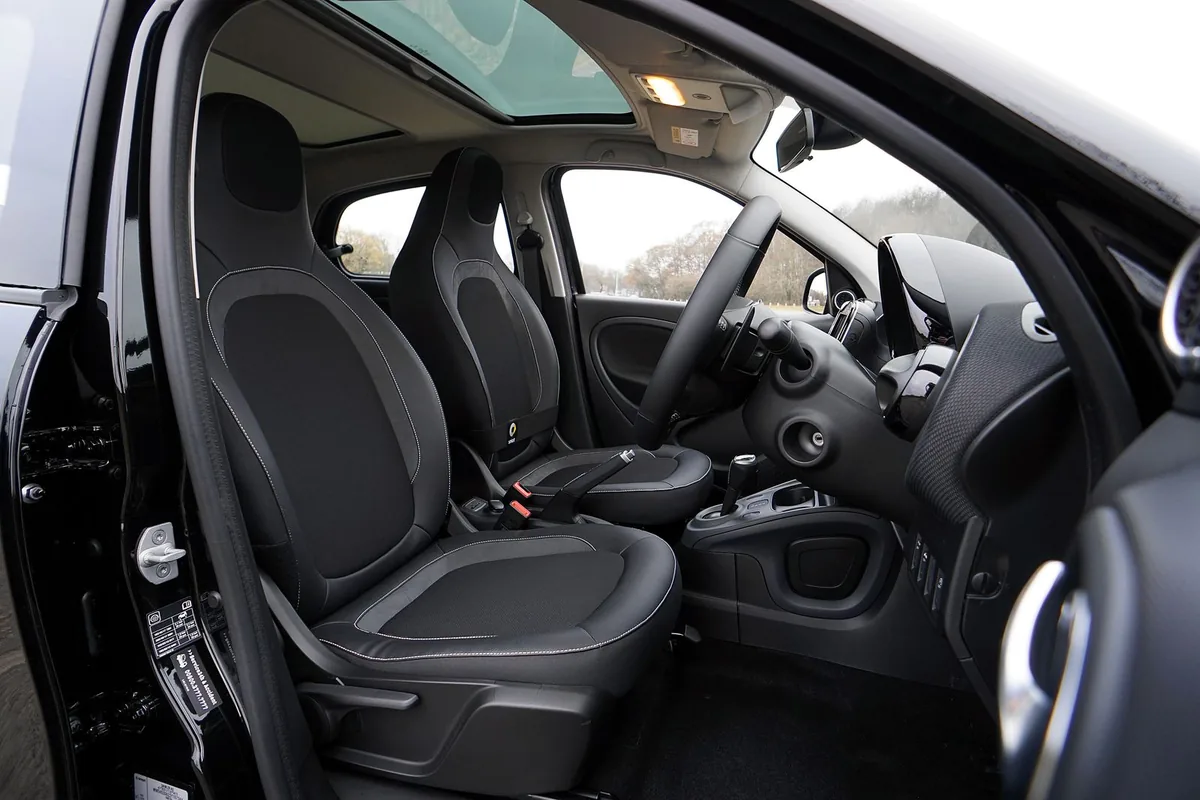
Vehicle biohazard cleanup is the careful removal of blood, bodily fluids, human waste, animal waste and other contaminated materials from a car, truck, RV, boat or fleet unit, followed by cleaning, disinfection and odor treatment.
Contamination can follow concealed paths inside the cabin. Liquid can move from the seat surface to its foam, beneath floor carpet, around clips for the trim and along spaces containing wires. Ventilation may carry odor through vents and to the cabin filter as well. Standard detailing improves appearance. Vehicle biohazard remediation looks beyond that goal by following the affected route and examining surrounding material.
Cleanup starts with a controlled inspection and suitable protective gear. Materials that cannot be completely disinfected are removed, surfaces receive detailed cleaning, and hazardous waste is disposed of. An EPA-registered disinfectant remains wet for all of the contact time listed on its label. You then have a clear distinction between interior pieces that may remain and those requiring removal.
You help decide how paperwork, equipment and personal items are separated. Being present in the car does not automatically make an item waste.
Photos, the cleanup scope and records of removed materials can be organized for your insurance company, fleet manager or property owner.
Phone help is available during the day or night, with workers arriving in unmarked vehicles. You can explain the situation privately and decide the next step without pressure.
Learn about the vehicle inspection process before you select a cleanup company. Before you move forward, learn what the inspection found, which components may remain, what needs removal and what can change the cost.
Biohazard cleaning may be needed when contamination is more than a minor spot that you could safely wipe from a hard surface. Although each event differs, the following situations are common reasons to leave the vehicle shut and request an inspection:
A vehicle death may affect air quality along with seat foam, trim and floor coverings. Disinfection and odor removal follow removal of the source.
A documented cleaning process may be needed before taxis, rideshare cars, commercial trucks or emergency response vehicles go back into service.
Waste from illness, incontinence or prolonged occupancy, including urine, vomit and feces, can soak into seams or porous vehicle materials that ordinary cleaning misses.
Exposure and puncture hazards come with discarded needles or drug paraphernalia. Never feel inside a door pocket or under a seat when a sharp object could be concealed there.
Keep people from touching the affected area, and avoid spreading contamination around the cabin. Take the following precautions while waiting for cleanup technicians to inspect your vehicle:
Call (888) 440-9227For biohazard cleanup of a vehicle, the published range is $500 to $5,000. What you finally pay depends on interior materials, event severity, time passed since the event and the need for air-system decontamination. An inspection is required to find possible contamination hidden under a seat or beneath the carpet rather than visible at the door.
The figures shown are national ranges from published cost guides and are not based on an on-site visit. An on-site assessment determines your property's price, which is explained to you before the cleanup starts.
Ask about cost: (888) 440-9227Auto insurance can sometimes cover vehicle biohazard cleaning when the underlying event falls within your policy. Since deductibles, required documents and coverage differ, ask the insurance company about them before authorizing the work if circumstances permit.
Victims of violent crime can ask the Indiana Violent Crime Victim Compensation Program, run by the Indiana Criminal Justice Institute, about cleanup. The program lists crime scene cleanup as an eligible expense for crimes after July 1, 2022. Insurance is usually checked first.
Describe the event to your adjuster while leaving the vehicle untouched. Ask whether cleanup, removal of contaminated interior parts, towing and restoration fall under your policy.
The vehicle owner or fleet manager usually starts the claim and approves access. Commercial vehicle coverage may apply different caps, exceptions and paperwork standards.
Retain the claim number along with photographs, cleanup details, disposal records and a removal inventory. Do not discard parts that may be inspected until you have asked the adjuster.
A controlled sequence keeps the vehicle biohazard remediation process from carrying contamination between cabin areas. The exact steps across the full process reflect the kind of event, the materials inside and how much time has passed since exposure.
Cleanup technicians examine seating seams, floors, visible air inlets and every interior storage or cargo space. The initial condition is photographed to clarify what work is required.
The vehicle and work zone are kept separate from public access. Technicians use gloves, protective clothing, eye protection and other gear suited to the exposure.
Personal property is sorted among apparently unaffected belongings, cleanable items and contaminated materials needing disposal or a decision from you.
Interior trim, headliner, padding, carpeting, foam or seat coverings are taken out only when contamination has penetrated materials that cannot be completely disinfected.
Cleaning solid surfaces comes first, followed by application of an EPA-registered disinfectant. For the entire contact time listed on the label, the surface is kept wet.
If contamination or odor could have reached the climate system, the inspection includes vents, air intakes and the cabin filter. Source removal remains the first priority.
Materials taken from the vehicle are packaged and discarded according to the applicable waste requirements. Cleanup paperwork can become part of your claim documentation or vehicle fleet file.
The affected areas and surrounding areas receive a final visual check so contaminated material is not left behind. You are informed about all completed cleaning and removal, along with restoration services that may still be necessary.
Call any hour. Your vehicle biohazard cleanup specialist answers the phone, describes what happens next and works with you on a start time.
A vehicle has a small and enclosed cabin, where waste, blood, bodily fluids and sharp objects out of sight can pose serious health concerns.
Fluids travel downward and through joined edges. It may reach seat foam, carpet padding, floor channels and fasteners even when the visible surface looks dry.
Odors may grow stronger with warmth and poor ventilation. Before source removal, vehicle heating or cooling can distribute odor through vents and into the cabin filter.
A hidden needle could be among personal property, below a seat or in a storage pocket. You risk exposure by sorting through the cabin without tools designed to resist punctures.
Can you clean it yourself? Wear gloves to treat several recent drops on a solid, non-absorbent area. Use an EPA-registered disinfectant and observe its complete labeled contact time. If fluid reached a seam, fabric, foam, carpet, headliner or vent, or if a sharp object is present, keep out and seek professional cleanup.
Hard, non-porous interior components can remain if all their surfaces are accessible for cleaning and disinfection. When contamination penetrates below the face of porous material, removal may be necessary.
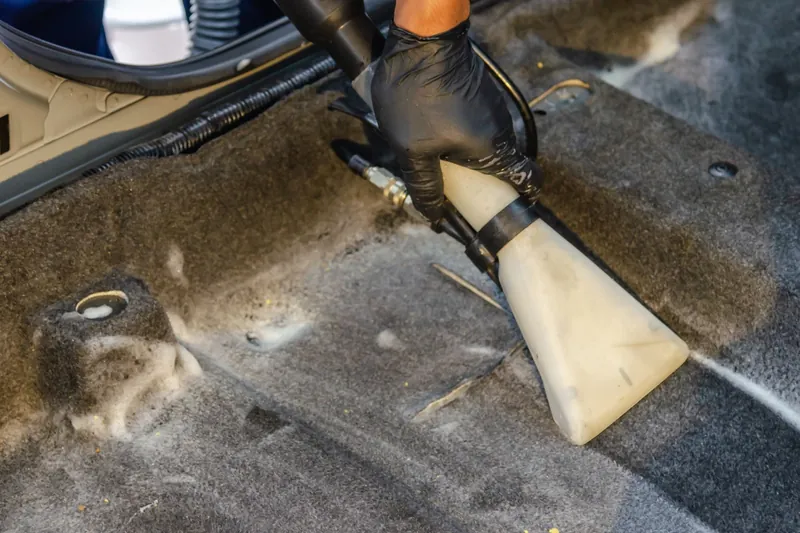
The OSHA Bloodborne Pathogens Standard, 29 CFR 1910.1030, sets worker requirements for exposure controls, protective equipment and training when occupational contact with blood may occur.
Surface compatibility and EPA registration against the target pathogen both matter when selecting a disinfectant. It must remain wet for the full contact time on its label.
Indiana treats soaked materials from a biohazard scene as infectious waste. Indiana Department of Health rules control containment, labeling and transport, and IDEM regulates offsite management, so it cannot go in household trash.
Indiana relies on elected county coroners to investigate deaths, and the state has no statewide medical examiner. Cleanup starts after police or the coroner release the scene.
The duration of vehicle biohazard cleaning is established once the inspection is complete. A small hard-surface job needs less time than one involving carpet or seat removal, checks inside vents, repeat treatments or replacement components.
The full vehicle biohazard cleanup guide covers what is cleaned or removed, odor and air quality work, and the rules that apply in Indiana and Clark County.
Read the full vehicle biohazard cleanup guideContainment, entry and cleanup plans can be influenced by local housing, population and access details.
In an area with 13.4% renter occupancy, direct homeowner approval can simplify choices about opening walls or replacing affected finishes.
The 1997 median year does not prevent contamination from reaching subfloors through joints, edges, and utility openings.
There are 77 seniors living alone locally, making simple welfare check plans useful even when the overall share is lower.
The 77.3% single-family share means odor may move through connected rooms and ventilation even without shared walls between households.
You can ask about cleanup in nearby communities and ZIP codes during the call.
Emergency vehicle decontamination covers transport units, police cars and ambulances.
See police and ambulance vehicle decontamination
Carpet, solid floors, walls and furnishings receive blood cleanup that includes safe disposal.
See blood cleanup
Homes, care environments and businesses receive bodily fluid cleanup and disinfection.
See bodily fluid cleanup
Biohazards are cleaned from carpets and upholstery, or affected materials are removed safely when needed.
See biohazard carpet and upholstery cleaning
Needles and other sharps are removed from rentals, yards, encampments and parks.
See needle and sharps cleanup
Trauma scene cleanup is needed after violent events, accidents and injuries.
See trauma scene cleanup
After exposure to infectious or hazardous material, the air, room and surfaces are fully decontaminated.
See biohazard decontamination
Biohazard waste pickup and disposal in sealed, labeled containers.
See biohazard waste disposalUsually, this report indicates that a record source was told about biohazard contamination involving the vehicle. The report alone cannot explain what happened, how well cleanup was completed or the vehicle's current state. Get the event history, cleanup documents and parts-replacement list from the seller or owner, and have the car independently inspected before you choose to use or buy it.
Belongings should be sorted before cleaning begins. Hard items that tolerate washing may be cleaned, while property outside the affected area can be moved aside. Porous belongings exposed to fluid may not be recoverable. Avoid feeling beneath seating, inside compartments or among unsecured items whenever a hidden needle or sharp object is possible.
The published vehicle biohazard cleanup range is $500 to $5,000, according to the BioCleaners Directory Biohazard Cleanup Cost Guide (2026). Material types, event severity, time passed and any required ventilation decontamination all influence the total. Because looking in from the door can overlook material beneath carpeting or within seats, the vehicle needs an inspection.
Begin by restricting entry and finding every place the contamination reached. The cleaning process next sorts personal property, takes out non-disinfectable porous components, cleans hard areas and keeps an EPA-registered disinfectant on for its required contact time. Odor sources, vents and the cabin filter are checked before a final inspection of the interior.
A vehicle has biohazard damage when blood, bodily fluids, waste or similar contamination affects it. Damage may involve stains, odor and porous items that cannot remain safely, including soaked seat foam or carpet padding. It is different from ordinary dirt. It can also differ from chemical damage, which may require a separate hazmat evaluation.
The term applies to a boat, RV, fleet unit, truck or car affected by blood, bodily fluids, sharps, human waste, animal waste or another substance capable of carrying infection. The phrase concerns an exposure condition, not one particular kind or brand of vehicle. An assessment separates materials that may be cleaned from porous parts that could need to come out.
Crews carry out respectful, discreet vehicle biohazard cleanup, arrive in unmarked vehicles and take calls 24 hours a day.